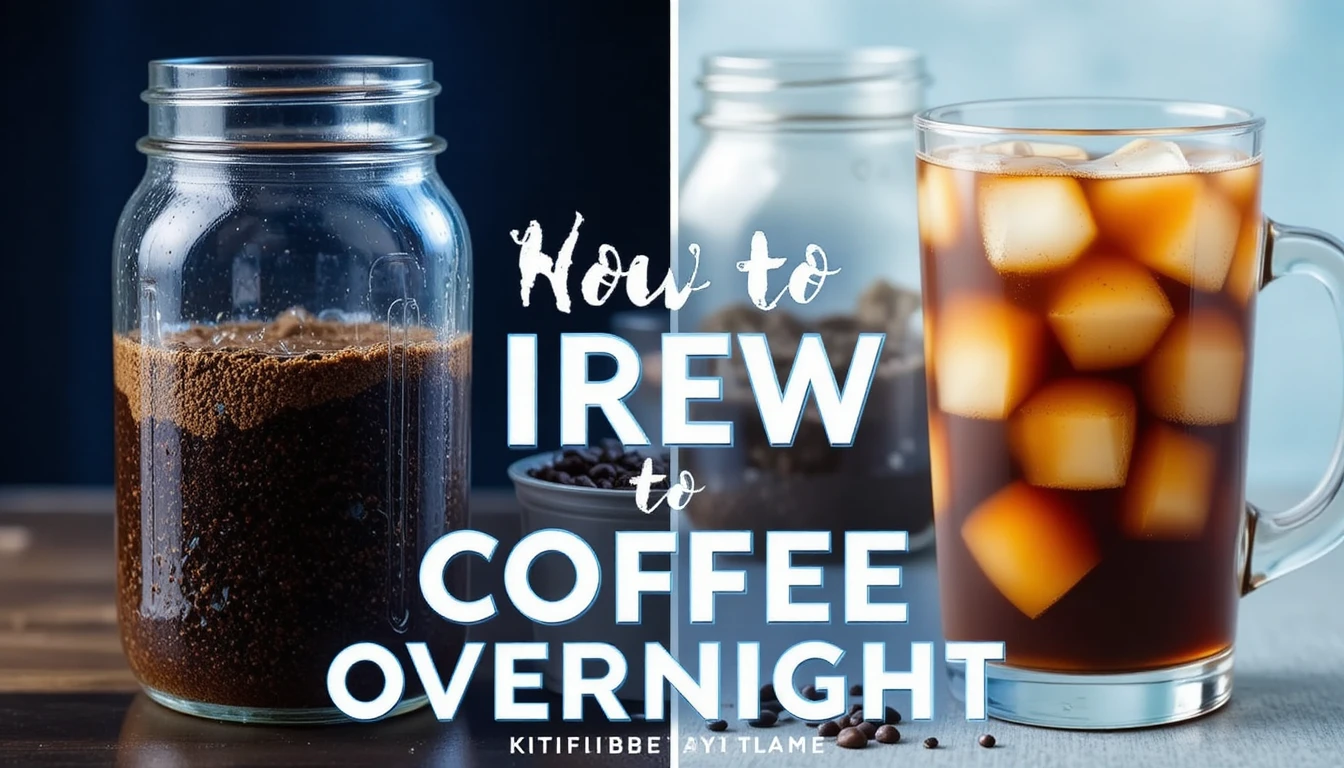
Picture this: you wake up on a hot summer morning, and instead of waiting for coffee to brew and cool down, you open your refrigerator to find a pitcher of perfectly smooth, cold, refreshing coffee ready to pour. No bitterness, no watery dilution, no waiting—just pure coffee bliss in a glass.
This is the magic of brewing iced coffee overnight, and once you learn this simple technique, you’ll never go back to inferior iced coffee methods again.
Overnight iced coffee, commonly known as cold brew, has revolutionized the way coffee enthusiasts enjoy their caffeine fix during warm weather. Unlike traditional iced coffee that’s brewed hot and then cooled (often resulting in a bitter, acidic taste), cold brew uses time instead of heat to extract the coffee’s rich flavors. The result is a smooth, naturally sweet coffee concentrate that’s lower in acidity and perfect for creating countless delicious variations.
In this comprehensive guide, you’ll learn everything you need to know about brewing iced coffee overnight—from the basic method to advanced techniques, storage tips, and creative serving suggestions that will make you the envy of every coffee lover you know.
What Is Overnight Iced Coffee and Why Does It Matter?
Overnight iced coffee refers to the cold brew method, where coarsely ground coffee beans steep in cold or room temperature water for an extended period—typically 12 to 24 hours. This slow extraction process fundamentally changes how flavors are drawn from the coffee beans compared to hot brewing methods.
When you brew coffee with hot water, heat rapidly extracts compounds from the beans, including oils, acids, and bitter elements. This happens in minutes but can result in over-extraction if not carefully controlled. Cold brewing, on the other hand, relies entirely on time. The cold water slowly pulls out the coffee’s flavors, caffeine, and oils while leaving behind most of the acidic and bitter compounds that hot water would extract.
The Science Behind Cold Brew
Research shows that cold brew coffee is approximately 65% less acidic than hot brewed coffee, with a pH level between 6.0 and 7.0 compared to hot coffee’s 4.5 to 5.5. This significant difference makes cold brew much gentler on the stomach and naturally sweeter without any added sugar. The lower acidity also means the coffee tastes smoother and less harsh, with prominent chocolate and caramel notes that appeal to even those who don’t typically enjoy black coffee.
Cold Brew vs. Iced Coffee: Understanding the Difference
Many people confuse cold brew with regular iced coffee, but they’re entirely different beverages. Iced coffee is simply hot-brewed coffee that’s been cooled and poured over ice. This method is quick but often results in diluted, watery coffee as the ice melts. Cold brew, however, is never heated. It’s steeped slowly over many hours, creating a concentrated coffee that maintains its strength and flavor even when ice is added. The taste profiles differ dramatically—iced coffee tends to be brighter and more acidic with pronounced floral notes, while cold brew offers a smoother, fuller-bodied experience with natural sweetness.
Getting Started with Overnight Cold Brew: A Step-by-Step Guide
Brewing perfect cold brew coffee at home is remarkably simple and requires minimal equipment. Follow these detailed steps for foolproof results every time:
- Choose Your Coffee Beans: Start with high-quality, fresh coffee beans. Medium to dark roasts work exceptionally well for cold brew, as they’re more soluble and extract more easily in cold water. Popular choices include Colombian, Brazilian, Sumatran, and Ethiopian beans. For optimal results, purchase whole beans and grind them fresh just before brewing. If buying pre-ground coffee, ensure it’s labeled specifically for cold brew.
- Grind the Coffee Coarsely: This step is crucial for success. Use a coarse grind similar to the texture of raw sugar or breadcrumbs. If your coffee is too finely ground, it will over-extract during the long steeping time, resulting in bitter, muddy coffee that’s difficult to strain. Most burr grinders have a cold brew setting. Aim for 1 cup (approximately 85-90 grams) of coarsely ground coffee.
- Select Your Container: You’ll need a large jar, pitcher, or dedicated cold brew maker. A large Mason jar works perfectly for small batches. For bigger quantities, use a half-gallon pitcher. Ensure your container is clean and can be sealed or covered to prevent refrigerator odors from affecting your coffee.
- Combine Coffee and Water: Add your coarsely ground coffee to the container. Pour 4 cups (approximately 950ml) of cold, filtered water over the grounds. This 1:4 coffee-to-water ratio creates a concentrated cold brew that you’ll dilute before drinking. If you prefer less concentrated brew, use a 1:5 or 1:6 ratio instead. Use filtered water for the best-tasting results—tap water with strong mineral flavors or chlorine will negatively impact your coffee.
- Stir Thoroughly: Use a long spoon to stir the mixture, ensuring all coffee grounds are fully saturated with water. You’ll notice some grounds float to the surface—this is completely normal. Give the mixture several good stirs to make sure everything is evenly wet and submerged.
- Cover and Steep: Seal your container with a lid or cover it tightly with plastic wrap. Now you have two options: steep at room temperature for 12-15 hours, or refrigerate for 18-24 hours. Room temperature steeping extracts flavors faster and creates a slightly stronger brew, while refrigerator steeping takes longer but some people prefer the cleaner taste. Choose whichever method fits your schedule and preference.
- Strain the Coffee: This is where patience pays off. After steeping, you need to remove all the coffee grounds from the liquid. Place a fine-mesh strainer over a large bowl or pitcher and line it with cheesecloth, a coffee filter, or a clean flour sack towel. Slowly pour the coffee mixture through the strainer, allowing the liquid to filter through naturally. Never squeeze or press the grounds, as this releases bitter compounds and sediment into your beautiful cold brew. This straining process may take 10-15 minutes—don’t rush it.
- Store Your Concentrate: Transfer the strained cold brew concentrate to a clean, airtight container. Glass bottles or jars work best. Store in the refrigerator where it will stay fresh for up to 7-10 days, though it tastes best within the first week.
Common Mistakes to Avoid When Brewing Overnight Coffee
Even though cold brew is forgiving, several common errors can sabotage your results. Here’s what to watch out for:
- Using Pre-Ground Coffee That’s Too Fine: The biggest mistake beginners make is using regular drip-grind coffee. Fine grounds over-extract during the long steeping time, producing bitter, harsh-tasting coffee with unpleasant sediment. Always use coarse grounds specifically for cold brew.
- Steeping Too Long: While patience is important, leaving coffee to steep beyond 24 hours extracts excessive bitter compounds. Stick to the recommended 12-24 hour window. If you accidentally forget your cold brew, strain it immediately—it might still be drinkable, but the flavor won’t be optimal.
- Using Low-Quality or Stale Coffee: Cold brew magnifies your coffee’s inherent qualities. Old, stale beans produce flat, lifeless cold brew. Purchase fresh beans from a reputable roaster and use them within a month of the roast date for best results.
- Not Diluting the Concentrate: Cold brew as it comes from steeping is a concentrate—drinking it straight is overwhelmingly strong and can cause jitters from the high caffeine content. Always dilute your cold brew with water, milk, or ice before drinking. A typical ratio is 1 part cold brew to 1-2 parts liquid.
- Using Unfiltered Tap Water: Water makes up the vast majority of your cold brew. If your tap water has strong flavors, chlorine taste, or mineral content, these characteristics will be prominent in your finished coffee. Use filtered or bottled water for the cleanest-tasting results.
- Improper Storage: Storing cold brew in a non-airtight container exposes it to oxygen, which degrades the flavor and allows it to absorb refrigerator odors. Always use airtight glass containers and keep your cold brew refrigerated.
- Adding Milk Before Storage: If you add milk, cream, or sweeteners to your cold brew before storing it, the shelf life drops dramatically to just 2-3 days. Always store the concentrate plain and add extras to individual servings as needed.
- Squeezing the Grounds During Straining: It’s tempting to squeeze every last drop from the saturated grounds, but doing so releases bitter particles and sediment that ruin the smooth texture cold brew is famous for. Let gravity do the work.
Advanced Tips and Tricks for Perfect Cold Brew
Once you’ve mastered the basic cold brew method, these expert techniques will elevate your overnight coffee game:
Experiment With Different Coffee Origins
Single-origin coffees create fascinating cold brew variations. Ethiopian Yirgacheffe produces floral, fruity cold brew with bright berry notes. Indonesian Sumatran beans create earthy, full-bodied brews with chocolate undertones. Brazilian beans offer nutty, caramel flavors perfect for those who prefer sweeter profiles. Kenyan coffee produces bold, wine-like cold brew with bright acidity even in cold extraction. Try different origins to discover your favorite flavor profiles.
Try the “Bloom” Method for Stronger Flavor
For even better extraction, try blooming your coffee before cold steeping. Bring 1 cup of water to a boil, let it cool for 60 seconds, then pour it over your coffee grounds and stir well for one minute. This quick hot water exposure “wakes up” the coffee and improves extraction. After blooming, add the remaining cold water and proceed with normal cold brew steeping. This hybrid method creates more complex flavors while maintaining cold brew’s smooth character.
Create Coffee Ice Cubes
The ultimate trick for preventing dilution is making ice cubes from cold brew itself. Pour some of your finished cold brew concentrate into ice cube trays and freeze. When you’re ready to drink, use these coffee ice cubes instead of regular ice. As they melt, they strengthen rather than dilute your drink, ensuring every sip from first to last is perfectly balanced.
Adjust Concentration for Different Uses
Not all cold brew needs to be the same strength. If you plan to drink it straight over ice with minimal dilution, use a 1:5 or 1:6 coffee-to-water ratio for a ready-to-drink brew. For lattes and mixed drinks where you’ll add substantial milk, create a stronger concentrate using a 1:3 or even 1:2 ratio. Having different concentrations on hand gives you more flexibility in how you enjoy your cold brew.
Infuse With Flavors During Steeping
Cold brew is the perfect canvas for natural flavor infusions. Try adding a cinnamon stick, vanilla bean pod, or a few cardamom pods to the jar while steeping. For chocolate lovers, add a tablespoon of cacao nibs. Orange or lemon peel creates bright, citrusy notes. These natural additions infuse overnight alongside the coffee, creating unique flavor profiles without artificial syrups.
Essential Tools and Resources for Cold Brew Success
While cold brew doesn’t require expensive equipment, certain tools make the process easier and improve your results:
Recommended Equipment
- Burr Coffee Grinder: For the freshest-tasting cold brew, grind beans just before brewing. Burr grinders provide consistent coarse grounds that blade grinders can’t match. Models like the KitchenAid Burr Grinder offer 70 precise settings, making it easy to dial in the perfect cold brew grind.
- Dedicated Cold Brew Maker: While Mason jars work fine, dedicated cold brew makers like the KitchenAid Cold Brew Coffee Maker or Toddy Cold Brew System make brewing and straining effortless. These typically include built-in filters and easy-pour spouts, creating up to 14 servings that stay fresh in the fridge for up to two weeks.
- Fine Mesh Strainer and Cheesecloth: If using a jar method, invest in a high-quality fine-mesh strainer and reusable cheesecloth or nut milk bags. These filter out grounds effectively while allowing the liquid to pass through cleanly.
- Glass Storage Containers: Glass doesn’t absorb flavors or odors like plastic can, and it doesn’t affect coffee taste like some metals might. Swing-top glass bottles or Mason jars with tight-sealing lids are perfect for storing cold brew concentrate.
- Kitchen Scale: For consistent results, measure coffee and water by weight rather than volume. A simple digital kitchen scale ensures you use the same ratios every time, eliminating guesswork.
Best Coffee Beans for Cold Brew
Choosing the right beans dramatically impacts your cold brew quality. Medium-roast beans offer the ideal balance—they’re soluble enough to extract well in cold water while preserving interesting aromatics and flavor complexity. Dark roasts work excellently too, providing chocolate and caramel notes with smooth, low-acid profiles. Avoid very light roasts, as they extract slowly and may taste weak or sour in cold brew. Popular cold brew coffee brands include Stone Street Cold Brew Reserve Colombian Supremo, Cold Brew Lab Organic Coarse Ground Coffee, and Bizzy Organic Cold Brew Blend—all specifically roasted and ground for optimal cold brew extraction.
Storage Solutions
Proper storage is essential for maintaining cold brew quality. Always use airtight glass containers to prevent oxidation and odor absorption. Keep your cold brew concentrate refrigerated at all times. Undiluted concentrate lasts 7-10 days in the refrigerator, with peak flavor occurring within the first week. Never leave cold brew at room temperature for extended periods, as bacteria can develop. If you’ve added milk or cream, consume within 2-3 days maximum. For longer storage, you can freeze cold brew concentrate in ice cube trays for up to two months, though some flavor nuances may be lost.
Delicious Ways to Serve Your Overnight Cold Brew
Now that you’ve created perfect cold brew concentrate, here are creative ways to enjoy it:
Classic Cold Brew Over Ice
The simplest and most popular preparation: fill a tall glass with ice, pour in cold brew concentrate until the glass is two-thirds full, then add cold water or milk to taste. This typically creates a 1:1 or 1:2 ratio of concentrate to liquid. Sweeten if desired with simple syrup, which dissolves better in cold beverages than granulated sugar.
Creamy Cold Brew Latte
For a coffeehouse-quality latte, combine equal parts cold brew concentrate and your favorite milk—dairy, oat, almond, or coconut all work beautifully. Pour over ice and add a splash of vanilla syrup or a drizzle of caramel. Top with a small amount of frothed milk for an elegant presentation.
Vietnamese-Inspired Iced Coffee
Mix 1 part cold brew concentrate with 2-3 tablespoons of sweetened condensed milk and stir vigorously until the milk is fully incorporated. Pour over ice and add a splash of coconut milk for an authentic Vietnamese coffee experience that’s incredibly rich and satisfying.
Protein Cold Brew Smoothie
Blend cold brew concentrate with a frozen banana, protein powder, a tablespoon of almond butter, ice, and a splash of milk. This creates a nutritious, energizing breakfast smoothie that combines your coffee fix with valuable nutrients.
Hot Coffee From Cold Brew
Cold brew concentrate isn’t just for iced drinks. Gently heat the concentrate in a saucepan with water over low-medium heat (never boiling, as this creates bitterness). The result is hot coffee that’s notably smoother and less acidic than traditional hot brewing methods—perfect for those with sensitive stomachs who still want warm coffee on chilly mornings.
Health Benefits of Overnight Cold Brew Coffee
Beyond its superior taste, cold brew coffee offers several impressive health benefits:
Lower Acidity for Sensitive Stomachs
With 65% less acidity than hot coffee, cold brew is significantly gentler on the digestive system. People who experience acid reflux or stomach irritation from regular coffee often find they can enjoy cold brew without discomfort. The higher pH level makes it an excellent choice for those with gastrointestinal sensitivity.
Rich in Antioxidants
Cold brew contains powerful antioxidants including chlorogenic acid, caffeine, cafestol, and melanoidins—all known for anti-inflammatory properties. These compounds help protect cells from damage and may reduce the risk of various chronic diseases.
Higher Caffeine Content
Due to the longer extraction time and typical concentration ratios, cold brew generally contains more caffeine per ounce than regular coffee. A 16-ounce serving of cold brew can contain 200mg or more of caffeine compared to 100-150mg in regular iced coffee. This provides sustained energy without the crash, though those sensitive to caffeine should dilute accordingly.
May Support Weight Management
The caffeine in cold brew has been shown to boost metabolism by up to 11% and increase fat oxidation. When consumed black or with minimal additives, cold brew is virtually calorie-free while potentially helping the body burn more calories at rest. The naturally sweet taste also means less need for added sugars.
Potential Disease Prevention
Research suggests regular coffee consumption, including cold brew, may reduce the risk of several serious conditions. Studies show that drinking 3-5 cups of coffee daily may lower heart disease risk by up to 15%, reduce type 2 diabetes development risk, and provide protective effects against Parkinson’s and Alzheimer’s diseases. The antioxidants and beneficial compounds in cold brew contribute to these health-protective properties.
Troubleshooting Common Cold Brew Problems
Even experienced cold brewers occasionally encounter issues. Here’s how to solve the most common problems:
Problem: Bitter or harsh-tasting cold brew. Solution: You likely over-steeped the coffee beyond 24 hours, used too-fine grounds, or squeezed the grounds during straining. Start fresh with coarser grounds and steep for only 12-18 hours initially.
Problem: Weak, watery-tasting cold brew. Solution: Your coffee-to-water ratio may be too low, or you’re diluting the concentrate too much. Try a stronger ratio like 1:4 or steep for a few hours longer. Also ensure you’re using fresh beans properly ground to coarse texture.
Problem: Sediment or grit in the finished coffee. Solution: Your grind is too fine, or you need better filtration. Use coarser grounds and strain through both cheesecloth and a paper filter for the cleanest result. Consider using a dedicated cold brew maker with built-in filtration.
Problem: Cold brew tastes flat or lifeless. Solution: Your beans are likely stale. Coffee loses flavor rapidly after roasting. Purchase fresh beans from a reputable roaster and use within 30 days of the roast date. Store beans in an airtight container away from light and heat.
Problem: Strange or off flavors. Solution: This typically indicates improper storage, contaminated water, or a dirty brewing vessel. Always use filtered water, clean your equipment thoroughly between batches, and store cold brew in airtight glass containers in the refrigerator.
Conclusion: Start Your Cold Brew Journey Tonight
Brewing iced coffee overnight using the cold brew method is one of the simplest yet most rewarding kitchen skills you can master. With just coffee, water, and time, you create a smooth, naturally sweet concentrate that stays fresh all week, ready whenever you need a refreshing caffeine boost.
The beauty of cold brew lies in its forgiving nature and endless versatility. Whether you prefer it strong and black, creamy and sweet, or somewhere in between, cold brew adapts to your preferences perfectly. The minimal effort required—literally just stirring and waiting—makes it ideal even for the busiest schedules.
Tonight, before you go to bed, take five minutes to combine coffee grounds and cold water in a jar. Tomorrow morning, you’ll wake up to discover why millions of coffee lovers have made cold brew their preferred method. The smooth, rich flavor and convenient preparation will transform your coffee routine forever.
Remember, the key to perfect cold brew is using coarsely ground fresh coffee, cold filtered water, patience during steeping, and thorough straining. Store your concentrate properly in the refrigerator, dilute before drinking, and experiment with different beans and flavor additions until you find your perfect combination.
Your journey to cold brew mastery starts tonight. What flavor profile will you create first? Share your overnight cold brew experiments and favorite recipes in the comments below—the cold brew community loves discovering new variations and techniques!