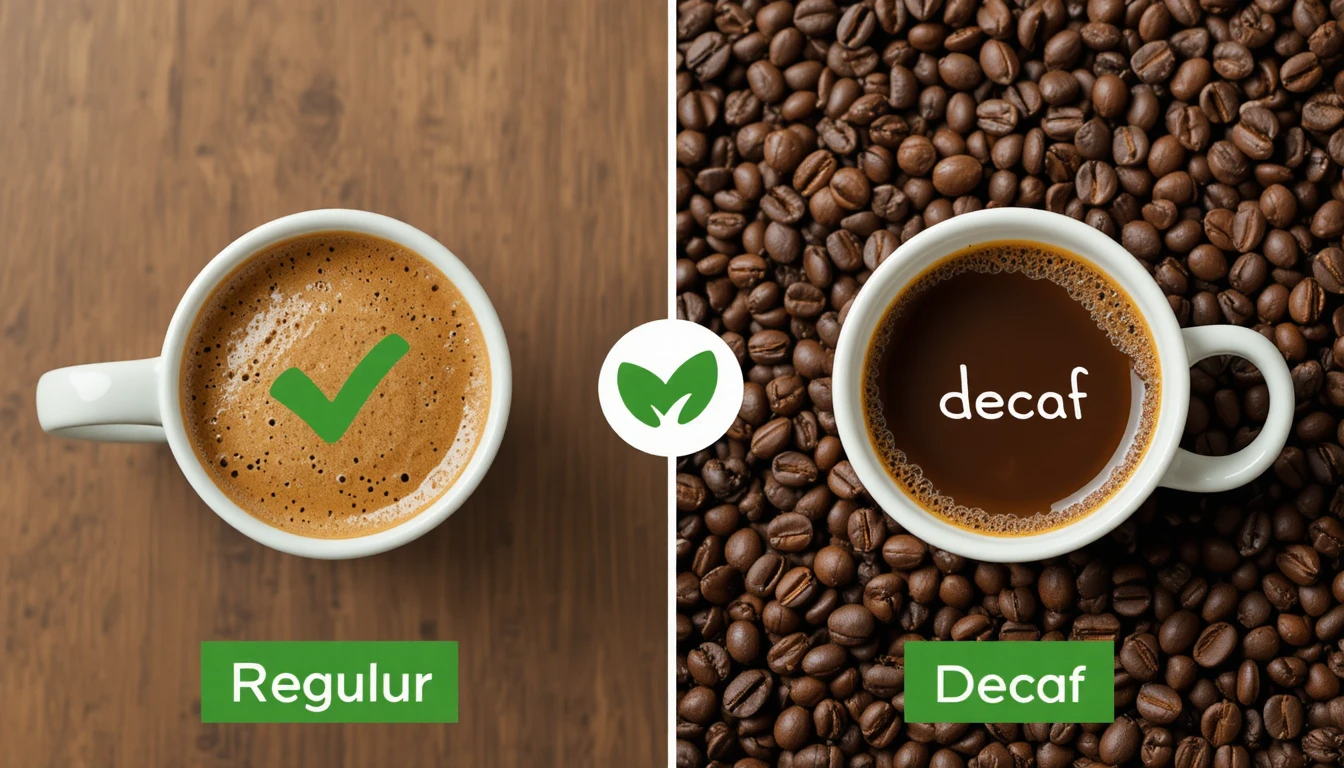
For many coffee lovers, the ritual of brewing and savoring a cup remains a daily pleasure—even for those avoiding caffeine. Whether you’re sensitive to stimulants, enjoy evening cups, or simply want to reduce your caffeine intake, learning how to create delicious decaffeinated coffee at home ensures you never miss out on flavor. While true decaffeination requires industrial equipment, you can approximate or select methods that yield low-caffeine brews in your own kitchen.
This guide covers three primary approaches: selecting high-quality decaf beans processed via Swiss Water or CO₂ methods, crafting naturally lower-caffeine cold brew, and employing a simple home-based repeated-steeping technique for partial caffeine reduction. Each method balances ease of preparation with taste, helping you find the perfect low-caffeine coffee solution.
What Is Decaffeinated Coffee and Why Brew It at Home?
Decaffeinated coffee undergoes processes to remove at least 97% of its caffeine content, creating beans that brew similarly to regular coffee but without the stimulant effects. Major industrial decaffeination methods include:
- Swiss Water Process: Uses pure water and carbon filtration to gently extract caffeine, preserving flavor and aroma. This chemical-free method is prized for maintaining bean quality.
- Supercritical CO₂ Process: Employs carbon dioxide under high pressure as a solvent to remove caffeine. It leaves minimal flavor impact and no chemical residues.
While these processes occur at specialized facilities, you can purchase beans treated by these methods. Brewing them properly at home maximizes flavor and ensures a delightful decaf experience. Additionally, alternative home techniques can further reduce caffeine extraction for those seeking very low-caffeine brews.
Getting Started: Essential Equipment and Ingredients
Before diving into specific methods, gather the following:
- Decaf Coffee Beans: Choose high-quality beans labeled Swiss Water or CO₂ processed.
- Grinder: A burr grinder ensures consistent grind size for optimal extraction.
- Brew Method Equipment: French press, drip coffee maker, or pour-over dripper with filters.
- Scale: A digital kitchen scale accurate to 0.1 grams for consistent coffee-to-water ratios.
- Filtered Water: Improves taste and avoids off-flavors from tap water.
- Optional—Pitcher and Jar: For cold brew or repeated-steeping method.
Method 1: Brewing High-Quality Decaf Beans
The simplest way is to buy beans already decaffeinated. Follow these steps for café-quality decaf coffee:
Step 1: Grind Your Beans
Use a burr grinder set to medium-coarse for French press or medium-fine for drip/pour-over. Grind just before brewing to preserve aromatics.
Step 2: Measure Coffee and Water
Use a 1:16 ratio: 1 gram of coffee per 16 grams of water (e.g., 20g coffee to 320g water). Adjust to taste between 1:15 and 1:17.
Step 3: Preheat and Rinse
Preheat your brewing device with hot water, then discard. For pour-over, rinse paper filters to remove paper taste.
Step 4: Brew
– French Press: Add grounds, pour water, stir gently, steep 4 minutes, then press.
– Pour-Over: Start with a 30-second bloom (twice the coffee weight in water), then pour remaining water slowly in concentric circles, finishing around 3 minutes total brew time.
– Drip Machine: Load grounds and start; ensure a water temperature of 195–205°F.
Step 5: Serve Immediately
Decaf coffee can lose vibrancy if left on a hot plate. Pour into a thermal carafe or serve right away.
Method 2: Low-Caffeine Cold Brew
Cold brew naturally extracts about 65% less caffeine than hot methods, while offering smooth, sweet flavor. Use decaf beans for near-zero caffeine or regular beans for reduced caffeine content around 35%.
- Coarse Grind: Grind beans to a texture like breadcrumbs (French press setting).
- Mix Coffee and Water: Combine 1:4 ratio of decaf coffee to water (e.g., 100g coffee to 400g water) in a jar.
- Stir and Steep: Stir to wet all grounds, cover, then refrigerate for 16–20 hours.
- Strain: Filter through a fine-mesh sieve lined with a paper filter or nut-milk bag. Slow filtration prevents sediment.
- Serve: Dilute concentrate 1:1 with cold water or milk, add ice, and enjoy.
Cold brew concentrate stores in the fridge for up to 7 days. Using decaf beans yields lastingly caffeine-free results; mixed beans give moderate caffeine reduction.
Method 3: DIY Repeated-Steep Technique
When decaf beans are unavailable, you can reduce caffeine in regular beans by home-based repeated steeping. This method partially removes caffeine over multiple brews.
- Grind Coarsely: Use a coarse grind to slow extraction of tastier oils vs. caffeine.
- First Steep: Steep grounds in hot water (200°F) at a 1:15 ratio for 60 seconds, then discard this water—it contains the most caffeine.
- Second Steep: Refill with fresh hot water and brew normally (4 minutes for French press or via drip). This second infusion yields coffee with significantly reduced caffeine but retains flavor compounds.
- Adjust: Further steep a third time if desired, though flavor diminishes with each steep.
This method can reduce caffeine by up to 50–60%, though not as low as true decaf. It’s a practical option when decaf beans are unavailable, such as during isolation or supply shortages.
Common Mistakes to Avoid
- Using Stale Beans: Coffee loses flavor after one month of roasting. Always use beans roasted within the last 4 weeks.
- Incorrect Grind Size: Too fine produces bitterness; too coarse yields weak coffee. Match grind to brew method.
- Wrong Water Temperature: Below 190°F under-extracts; above 205°F scalds. Use a thermometer if needed.
- Skipping Equipment Cleaning: Oil and residue buildup alter taste. Clean grinders, brewers, and filters regularly.
- Neglecting Ratios: Consistency relies on precise coffee-to-water ratios. Weigh ingredients for repeatable results.
Advanced Tips and Tricks
Cold Brew Flavor Enhancements
Add cinnamon sticks, vanilla beans, or orange peel to the steep for subtle flavor infusions without affecting caffeine content.
Maximizing Flavor in Repeated Steep
Use slightly more coffee (1:14 ratio) for the second infusion to compensate for flavor loss after discarding the first steep.
Water Filtration
Use charcoal or reverse-osmosis filtered water to avoid off-flavors and scale buildup in home equipment.
Bean Storage
Store beans in an airtight, opaque container away from heat and light to preserve freshness and aromatics.
Essential Tools and Resources
- Burr Grinder: Ensures uniform particle size and proper extraction.
- Digital Scale: Measures coffee and water precisely.
- Brewing Devices: French press, pour-over dripper, or drip coffee maker—choose based on preference and simplicity.
- Filtered Water System: Improves taste and protects equipment from scale.
- Clean Equipment: Brushes and cleaning tablets for regular maintenance.
Conclusion: Enjoy Custom Decaf Coffee Every Day
Making decaffeinated coffee at home combines convenience and control. Whether you choose to purchase Swiss Water or CO₂ processed beans for fully decaf results, brew a naturally lower-caffeine cold brew, or employ a repeated-steep method with regular beans, you can tailor your coffee to your dietary needs without sacrificing flavor. By mastering grind size, ratios, and temperatures, you’ll consistently enjoy smooth, aromatic decaf brews that fit any time of day—no caffeine crash required.
Start experimenting with these methods today. Find the perfect balance of flavor and caffeine content, and savor your personalized decaf coffee ritual each morning or evening. Share your favorite techniques and tips in the comments below—coffee lovers everywhere are eager to learn how you brew the perfect cup.