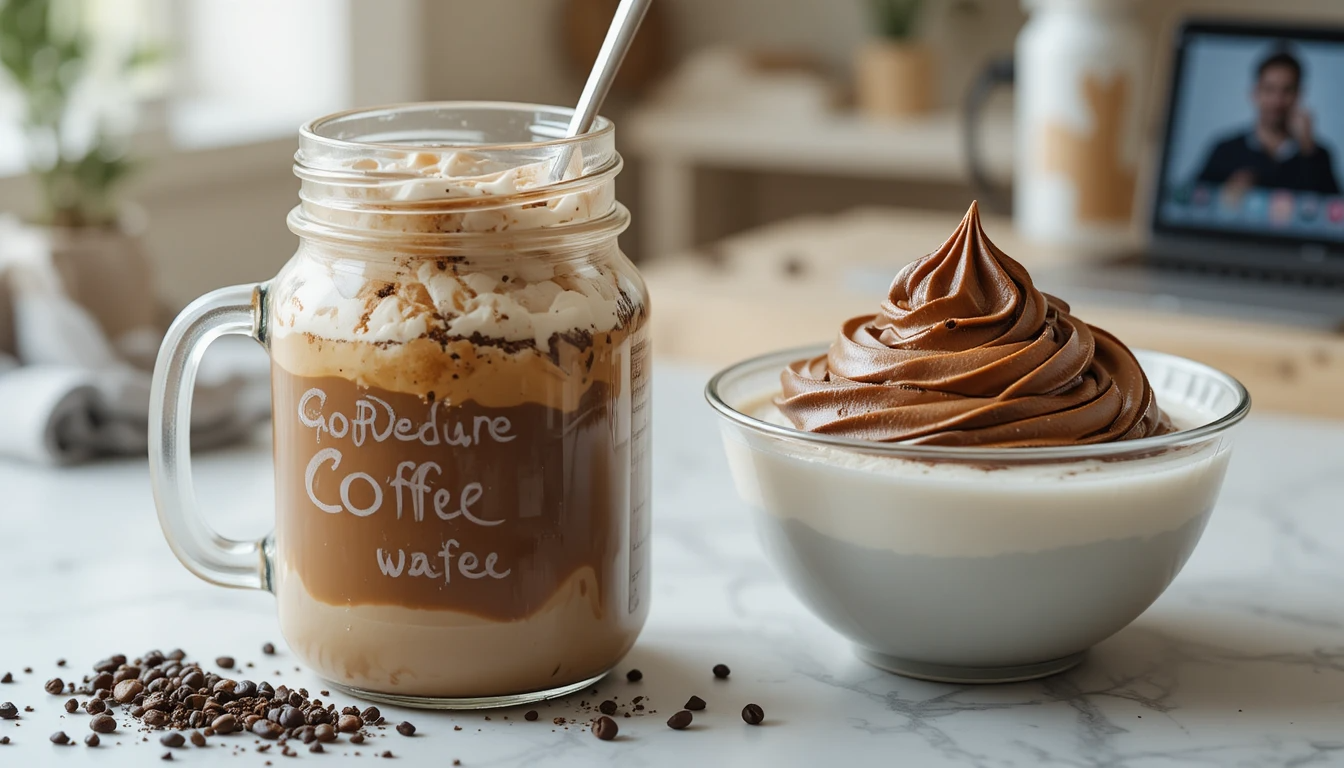
Remember those early pandemic days when we were all stuck at home, scrolling through social media, and suddenly every single person seemed to be making the same fluffy, cloud-like coffee drink? That was Dalgona coffee—also known as whipped coffee—and it became the unofficial beverage of lockdown. With coffee shops closed and nowhere to go, people discovered they could create this Instagram-worthy drink with just three simple ingredients already sitting in their pantry.
The beauty of whipped coffee lies in its simplicity and accessibility. During lockdowns or when living in isolated areas with limited access to fresh supplies or specialty equipment, this recipe became a lifeline for coffee lovers craving something special. You don’t need an espresso machine, a milk frother, or even a trip to the grocery store. Just instant coffee, sugar, hot water, and a willingness to whisk for a few minutes—that’s literally all it takes to transform your mundane quarantine morning into a café experience.
In this comprehensive guide, you’ll learn everything about making whipped coffee in isolation—from the basic technique to troubleshooting common problems, creative variations to keep things interesting, and tips for success even when you have minimal supplies or equipment. Whether you’re currently in lockdown, living remotely, or simply curious about this viral sensation, this guide will turn you into a whipped coffee expert.
What Is Whipped Coffee and Why Did It Matter During Lockdown?
Whipped coffee, professionally known as Dalgona coffee, is a beverage consisting of whipped instant coffee, sugar, and hot water served over milk. The name “Dalgona” comes from a popular Korean honeycomb toffee candy that has a similar color and texture. The drink itself actually has roots in several cultures—it’s called phenti hui coffee in India, frappe in Greece, and beaten coffee in various other countries—but it gained worldwide fame through TikTok and Instagram during the spring 2020 lockdowns.
South Korean actor Jung Il-woo popularized the name “Dalgona coffee” after tasting a similar whipped coffee drink in Macau and noting its resemblance to the childhood candy. When the video went viral during lockdown, millions of people stuck at home with limited entertainment suddenly had a fun, achievable project that produced both delicious results and shareable content.
Why Whipped Coffee Became the Perfect Lockdown Drink
Several factors made whipped coffee the ideal beverage for isolated living. First, it requires only pantry staples that people already had at home—instant coffee, sugar, and water—eliminating the need for grocery store trips during strict lockdowns. Second, it’s incredibly forgiving and doesn’t require specialized equipment beyond a whisk or even just a fork. Third, the process itself became a meditative activity that gave people something productive to focus on during uncertain times. And finally, it’s genuinely delicious, offering a café-quality experience when actual cafés were closed.
The Science Behind the Whip
The magic of whipped coffee lies in the unique properties of instant coffee. Unlike regular ground coffee, instant coffee granules contain microscopic tunnels of trapped air created during the manufacturing process. When you add just a small amount of hot water, these granules partially dissolve, creating a thick coffee “sludge” that traps the air inside. Vigorous whisking incorporates even more air into this mixture, and the sugar acts as a stabilizer, preventing the air bubbles from collapsing. The result is a stable, meringue-like foam that can hold its structure for hours.
Getting Started: The Basic Whipped Coffee Recipe
Let’s begin with the classic whipped coffee recipe that took the world by storm. This foolproof formula works every single time when followed correctly:
Essential Ingredients
You need exactly three ingredients for the whipped coffee component, plus milk for serving. The magic ratio is 1:1:1—equal parts of everything. For a single serving, use 2 tablespoons instant coffee, 2 tablespoons granulated sugar, and 2 tablespoons boiling or very hot water. This creates enough whipped coffee to top one generous glass of milk. To make multiple servings, simply multiply these amounts equally—the ratio must always stay balanced for proper results.
The milk component is flexible. Use approximately 1 cup (8 ounces) of any milk you have available—dairy milk, almond milk, soy milk, oat milk, or coconut milk all work beautifully. You can serve your whipped coffee over cold milk with ice for a refreshing iced beverage, or over hot milk for a comforting warm drink.
Step-by-Step Instructions
- Combine Your Ingredients: In a medium-sized bowl, add 2 tablespoons of instant coffee granules, 2 tablespoons of granulated white sugar, and 2 tablespoons of boiling hot water. The bowl should be clean and dry—any moisture or grease will prevent proper whipping. Use a bowl larger than you think necessary, as the mixture will expand significantly during whisking.
- Begin Whisking: Using a wire whisk, hand mixer, milk frother, or even a sturdy fork, begin beating the mixture vigorously. If whisking by hand, use two distinct motions: first beat in rapid clockwise circles for about a minute, then switch to vertical zigzag motions for another minute. Continue alternating between these two techniques. This ensures you’re incorporating air from all angles.
- Watch the Transformation: During the first 2-3 minutes, the mixture will look liquidy and dark brown—don’t give up. After about 5 minutes of continuous whisking, you’ll notice the color lightening to a caramel brown and the texture thickening considerably. Keep going. After 8-12 minutes of whisking by hand (or 2-5 minutes with an electric mixer), the mixture will transform into a thick, fluffy, pale brown foam that resembles peanut butter or stiff whipped cream. You’ll know it’s ready when you can lift the whisk and stiff peaks form that hold their shape.
- Prepare Your Milk: Fill a glass about two-thirds to three-quarters full with your chosen milk. If making an iced version, add 3-4 ice cubes first, then pour in cold milk. For a hot version, heat milk until steaming (but not boiling) and pour into a mug.
- Top and Serve: Spoon the whipped coffee mixture on top of your milk. It will float beautifully on the surface, creating that Instagram-worthy layered effect. Some people dust the top with cocoa powder, cinnamon, or chocolate shavings for extra appeal. Using a spoon or straw, stir the whipped coffee into the milk until combined. The more you stir, the more evenly mixed it becomes—some people prefer swirls of coffee throughout, while others mix it completely.
- Taste and Adjust: Take your first sip. If it’s too strong, add more milk. If it’s too sweet, use less sugar next time (though be aware that reducing sugar affects the whipping ability). If it’s too weak, increase your coffee amount in future batches.
Common Mistakes to Avoid When Making Whipped Coffee
Even though whipped coffee is remarkably forgiving, several common errors can sabotage your results, especially when you’re working with limited resources during lockdown:
- Using Regular Ground Coffee Instead of Instant: This is the number one mistake that guarantees failure. Regular coffee grounds, espresso powder, or brewed coffee simply will not whip into foam. The unique manufacturing process of instant coffee creates those air pockets that make whipping possible. There is no substitute that works equally well, though some people have had limited success with extremely strong brewed coffee and extra sugar (but it’s nowhere near as reliable).
- Not Using Enough Sugar: While it’s tempting to reduce sugar for health reasons, sugar is structurally essential to whipped coffee, not just a sweetener. It stabilizes the foam and prevents it from collapsing. Using less than the recommended 1:1 ratio results in foam that either won’t form properly or collapses within minutes. If you absolutely must reduce sugar, expect compromised results.
- Adding Too Much Water: The exact 1:1:1 ratio exists for a reason. Adding extra water makes the mixture too thin to trap air effectively. If you accidentally add too much water, you can try compensating by adding a bit more coffee and sugar in equal proportions, but prevention is easier than correction.
- Not Whisking Long Enough: Patience is crucial, especially when whisking by hand. Many people give up after 3-4 minutes when their arms get tired, but the real transformation happens between minutes 5 and 12. If you stop too early, you’ll have a slightly frothy but not properly whipped consistency that won’t float on milk properly.
- Using Cold or Lukewarm Water: Hot water is necessary to partially dissolve the instant coffee and create the right consistency for whipping. Cold water simply doesn’t work. However, interestingly, some experienced whipped coffee makers report that extremely hot (but not boiling) water—around 180-190°F—actually works best because it allows just enough dissolution without letting too much air escape.
- Using a Wet or Oily Bowl: Any moisture or grease in your bowl will prevent the foam from forming properly, similar to how egg whites won’t whip if there’s any yolk contamination. Always use a completely clean, dry bowl and whisk.
- Squeezing the Whipped Coffee Instead of Spooning: When transferring the whipped coffee to your milk, gently spoon it on top. Squeezing it from the bowl or pressing it compresses the air bubbles you worked so hard to create, deflating the foam.
- Trying to Use Sugar Substitutes: Unfortunately, artificial sweeteners like stevia, erythritol, monk fruit, or other sugar alternatives do not work for whipped coffee. They lack the chemical properties that stabilize the foam. You can reduce sugar slightly (down to about 1.5 tablespoons minimum), but eliminating it or using substitutes results in failure.
Advanced Tips for Perfect Whipped Coffee in Lockdown
Once you’ve mastered the basic recipe, these expert techniques will improve your results and make the process easier, especially important when you’re making this repeatedly during extended isolation:
Hand-Whisking Techniques for Those Without Electric Mixers
During lockdown, many people didn’t have access to electric mixers. Here’s how to succeed with manual whisking. Use a wire whisk if possible—it incorporates air much better than a fork or spoon, though both can work in a pinch. Tilt your bowl at a 45-degree angle and rest it against something stable so you’re not holding it with your other hand. This allows you to whisk more vigorously without the bowl moving. Switch hands every few minutes to prevent fatigue—your less dominant hand may be slower but gives your primary hand a rest. Create a rhythm and stick to it—consistent, rapid whisking beats sporadic intense bursts.
Some creative lockdown coffee makers discovered alternative whisking methods. A clean protein shaker bottle works surprisingly well—add ingredients, seal tightly, and shake vigorously for 8-10 minutes (your arm workout for the day). A jar with a tight lid can be used similarly. One person even successfully made whipped coffee using a French press, moving the plunger up and down repeatedly for about 15 minutes.
Adjusting the Recipe for Different Tastes
The standard recipe is quite sweet and strong. To make it less sweet while maintaining whippability, try using 1.5 tablespoons of sugar minimum—this is about as low as you can go while still achieving proper foam. To make it less intense, use only 1.5 tablespoons of instant coffee with 2 tablespoons each of sugar and water, then stir the whipped coffee thoroughly into more milk (1.5 to 2 cups) for a milder flavor. For a richer version, use 3 tablespoons of instant coffee with 2 tablespoons each of sugar and water—this creates a more concentrated coffee flavor beloved by espresso enthusiasts.
Batch-Making for Multiple Days
During extended lockdowns, making fresh whipped coffee daily became tedious for some people. Good news: you can batch-make it. Prepare a larger quantity using the 1:1:1 ratio (for example, 6 tablespoons of each ingredient makes enough for 3 servings). Store the whipped coffee in an airtight container in the refrigerator where it will keep for 5-7 days. The texture may deflate slightly, but a quick 30-second re-whisk brings back the fluffy consistency. This strategy saves significant time and arm strength throughout the week.
Making Whipped Coffee Without Instant Coffee
If you’re truly isolated without access to instant coffee, there is one workaround, though it’s significantly more challenging. Brew extremely strong coffee using 3.5 tablespoons of coffee grounds and 5 tablespoons of hot water—let it steep for 2-3 minutes, then filter out the grounds thoroughly using a coffee filter or clean cloth. You should have approximately 2 tablespoons of very concentrated coffee liquid. Add 2 tablespoons of sugar and whisk—but be warned, this takes considerably longer to whip (10-15 minutes by hand, 8-10 minutes with an electric mixer) and the results are less consistent. The foam won’t be quite as stable or voluminous, but it’s possible when desperate times call for desperate measures.
Creative Variations to Keep Lockdown Interesting
After making the same whipped coffee for weeks or months during an extended lockdown, monotony sets in. These variations use ingredients commonly found in home pantries to create exciting new experiences:
Mocha Whipped Coffee
Add 1 tablespoon of unsweetened cocoa powder to your standard whipped coffee ingredients before whisking. The chocolate integrates beautifully, creating a mocha-flavored foam that’s slightly darker in color. Serve over chocolate milk for an ultra-decadent treat, or over regular milk for a more balanced mocha experience.
Cinnamon Spice Whipped Coffee
Add ½ teaspoon of ground cinnamon, ¼ teaspoon of nutmeg, and a tiny pinch of ginger and cloves to your whipped coffee mixture. This creates a warming, spiced coffee reminiscent of chai that’s perfect for cold days stuck indoors. The spices also create visual interest with subtle speckling throughout the foam.
Vanilla Whipped Coffee
Add ½ teaspoon of vanilla extract along with a tiny pinch of salt and ½ teaspoon of cornstarch to your whipped coffee ingredients. The vanilla adds aromatic sweetness, the salt enhances overall flavor complexity, and the cornstarch helps stabilize the foam even further, creating an extra-fluffy result.
Caramel Whipped Coffee
Substitute brown sugar for white sugar in the standard recipe. Brown sugar contains molasses, which creates a caramel-like flavor that pairs beautifully with coffee. The color will be slightly darker, and the taste will be richer and more complex. Serve over milk with a drizzle of any caramel sauce you have on hand for an indulgent treat.
Honey Whipped Coffee (With Caveats)
While granulated sugar works best, you can attempt whipped coffee with honey if that’s all you have available during lockdown. Use 2.5 tablespoons of honey instead of 2 tablespoons of sugar—you need slightly more for proper stabilization. Be aware that honey-based whipped coffee takes significantly longer to whip (15-20 minutes by hand) and doesn’t achieve quite the same stiff peak consistency. The flavor is lovely though, with honey’s floral notes complementing the coffee.
Dirty Chai Whipped Coffee
If you have chai tea bags or chai concentrate at home, brew a strong cup of chai tea and substitute it for the milk base. The combination of chai spices with whipped coffee creates the popular “dirty chai” flavor profile that coffee shop regulars love.
Matcha Version (Caffeine-Free Alternative)
For those who ran out of instant coffee during lockdown but had matcha powder, you can create a similar whipped drink. Combine 2 teaspoons of matcha powder with ¼ cup of cold heavy cream (or coconut cream from a can), 2 teaspoons of sugar, and ½ teaspoon of vanilla extract. Whip with a mixer until soft ribbons form—don’t over-whip or you’ll make butter. This creates a green, frothy topping that’s visually stunning and delicious.
Essential Tools and Resources for Isolated Coffee Making
During lockdown or in isolated areas, you work with what you have. Here’s how to optimize your whipped coffee experience with minimal equipment:
If You Have Nothing But a Bowl and Spoon
It’s possible, though challenging. Use a sturdy metal spoon and beat the mixture using rapid circular motions against the side of the bowl. It will take 20-30 minutes of continuous stirring and your arm will be exhausted, but people have successfully made whipped coffee this way. Take breaks every few minutes, but resume quickly—extended pauses allow the mixture to deflate.
If You Have a Whisk
A wire whisk is the ideal hand tool for whipped coffee. It incorporates air much more efficiently than any other manual method. With a good whisk and proper technique, you can achieve perfect results in 8-12 minutes. Choose a whisk with thin wires (many of them) rather than thick wires (few of them) for optimal air incorporation.
If You Have a Milk Frother
Handheld milk frothers, which many people happened to own pre-lockdown, are excellent for whipped coffee. They typically reduce whisking time to 3-5 minutes. Keep the frother moving throughout the mixture rather than holding it stationary in one spot—this ensures even whipping. The only downside is that frothers can overheat if run continuously for more than a minute at a time, so work in 45-second intervals with brief cooling periods.
If You Have an Electric Mixer
Hand mixers or stand mixers are the ultimate whipped coffee tools, reducing effort to nearly zero. Use medium-high speed (setting 6-8 on most mixers) and whip for 2-5 minutes until stiff peaks form. Stand mixers are especially convenient as they’re hands-free—just start the mixer and walk away to do something else until it’s ready. Use the whisk attachment rather than beaters for best air incorporation.
Storage Solutions
If you’re batch-making whipped coffee, store it in any clean, airtight container. Glass jars, plastic food storage containers, or even thoroughly cleaned jam jars work perfectly. Keep refrigerated and consume within a week for optimal freshness and flavor.
Troubleshooting Common Whipped Coffee Problems
When you’re stuck in lockdown without access to stores or fresh supplies, problems need solutions using only what you have. Here’s how to fix the most common issues:
Problem: My mixture won’t fluff up at all. Solution: First, verify you’re using actual instant coffee—regular coffee grounds will never work. Check that your proportions are exactly 1:1:1. Ensure you’re using hot (not cold or lukewarm) water. Make sure your bowl and whisk are completely clean and dry—even a drop of water or hint of grease prevents proper whipping. Finally, keep whisking—it genuinely takes 8-12 minutes by hand, and many people give up too soon.
Problem: It’s taking forever to whip and my arm is exhausted. Solution: This is normal for hand-whisking. Take short breaks every 2-3 minutes, but don’t stop for too long. Switch between clockwise circular motions and vertical zigzag motions to use different arm muscles. Consider recruiting a lockdown household member to take turns whisking. Alternatively, transfer to a jar with a tight lid and shake vigorously for 8-10 minutes while watching TV—this distributes the effort differently and feels less tedious.
Problem: My whipped coffee looks fluffy but collapses when I put it on milk. Solution: You likely under-whipped it. The mixture needs to reach actual stiff peaks, not just foamy consistency. Continue whisking until you can lift the whisk and the foam holds pointed peaks that don’t immediately collapse. Another possibility is that you added too much water—measure precisely next time.
Problem: It tastes too bitter or too strong. Solution: Whipped coffee is a concentrate meant to be diluted with generous amounts of milk. Use 1 to 1.5 cups of milk per serving, and stir the whipped coffee in thoroughly rather than just taking sips from the top layer. If it’s still too strong, reduce coffee to 1.5 tablespoons while keeping sugar at 2 tablespoons for your next batch.
Problem: It tastes too sweet. Solution: The standard recipe is indeed quite sweet. Unfortunately, you can’t eliminate sugar without compromising the foam. Try using only 1.5 tablespoons of sugar (minimum), and stir the whipped coffee into 1.5-2 cups of unsweetened milk to dilute the sweetness. Consider serving it over unsweetened almond milk, which is naturally less sweet than dairy milk.
Problem: The foam formed but looks grainy or separated. Solution: This happens when the mixture gets too warm during whisking or when you whisk it too long after peaks form. Try placing your bowl in the refrigerator for 2-3 minutes to cool it down, then give it a few more quick whisks. The texture should smooth out. In future batches, stop whisking as soon as stiff peaks form—continuing past that point can cause separation.
Problem: I don’t have instant coffee but I really want whipped coffee. Solution: Your only option is the concentrated brewed coffee method described earlier, though results will be inconsistent. Alternatively, if you have cocoa powder, make the matcha version using cream instead—it won’t be coffee, but it satisfies the same whipped drink craving. Or consider making whipped strawberry milk using strawberry jam or syrup (2 tablespoons) with 2 tablespoons sugar and 1 tablespoon hot water, whipped until fluffy and served over milk.
Conclusion: Your Lockdown Coffee Companion
Whipped coffee became more than just a viral trend during lockdown—it transformed into a ritual, a creative outlet, and a small daily luxury during challenging times. When the world outside felt uncertain and overwhelming, the simple act of whisking coffee, sugar, and water into fluffy clouds provided control, accomplishment, and comfort. The fact that it tasted delicious was almost secondary to the meditative process itself.
Whether you’re currently in lockdown, living in an isolated area with limited access to coffee shops and specialty ingredients, or simply looking to recreate that nostalgic 2020 beverage, whipped coffee remains remarkably relevant. It represents resourcefulness, creativity, and the human ability to find joy in simple pleasures even during difficult circumstances.
The beauty of whipped coffee lies in its democratic accessibility. You don’t need expensive equipment, rare ingredients, or professional skills. Just instant coffee, sugar, hot water, and determination. It works equally well in a tiny apartment during urban lockdown, a remote rural location without nearby stores, or anywhere in between. It’s coffee-making distilled to its most fundamental, achievable form.
So whether you’re making your first whipped coffee or your hundredth, remember that each cup represents something larger than just a beverage. It’s a connection to millions of people worldwide who discovered the same simple joy during lockdown. It’s proof that creativity thrives within constraints. And it’s a reminder that sometimes the best things require nothing more than basic ingredients, a bit of effort, and willingness to try something new.
Now grab that instant coffee from the back of your pantry, find a whisk or fork, and start making some magic. Your perfect whipped coffee is just 10 minutes of whisking away. What variation will you create first? Share your lockdown whipped coffee experiments, tips, and creative variations in the comments below—the community of isolated coffee makers would love to hear from you!